The build or buy call, without the sermon
Modelling something yourself costs hours you will not get back and gives you exactly what you wanted. Buying it costs a small amount of money and gives you something close to what you wanted, immediately. The right answer changes per asset, and the useful test is simple: does this specific thing carry your game's identity?
If a player would notice it missing but wouldn't notice it was generic, it is a candidate for buying. If it is the thing your game is recognised by, build it.
What to buy first
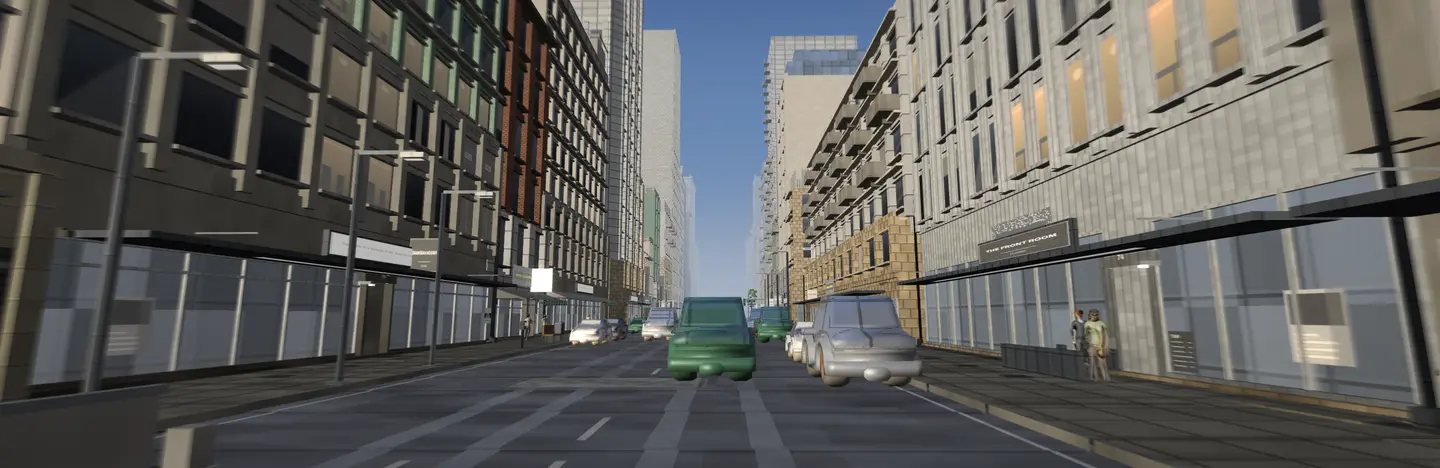
The pieces that fill space and the surfaces that cover it. Structures, terrain, furniture, clutter, and tileable materials all read as background even when they take the most time to produce. They are the highest ratio of hours saved to identity lost.
Keep the distinctive silhouettes, the characters, and anything a player will look at for more than a few seconds. Those are where custom work shows, and where a bought asset is most likely to be recognised for what it is.
Making bought assets look like yours
Modification is allowed and it is the difference between a scene that looks purchased and one that does not. Recolour, rescale, cut pieces apart and recombine them, change the material set, and lean on your own lighting. A kit is a starting point, and treated as one it stops being identifiable.
The other half is consistency. Fewer sources, chosen to match, beats a wide sweep of individually better assets from unrelated sets.
What it costs here, and what you keep
Every pack is a fixed one-time price between $5 and $20 AUD with tax included, and the number on the pack page is the number charged. You keep what you buy: no expiry, no royalties, no reporting, and no subscription to maintain between projects. Every purchase comes with a tax invoice from Polymade, which matters if you are claiming it as a business expense.
The catalogue covers environment kits, prop packs, texture and material sets, and 2D asset packs. Some categories are listed and some are still planned, and the new-pack list is where each release is announced.
Frequently asked questions
Is using bought assets a problem for a commercial release?
No. The standard license covers commercial release, including games you sell, with no royalties and nothing to report back to us. The full license text is published on the licensing page and ships inside every pack.
Will using packs make my game look generic?
It can, if you drop pieces in untouched and mix unrelated sources. Modification is permitted for exactly this reason, and keeping your distinctive silhouettes custom does most of the work.
Can I ask for a specific category or theme?
Yes, and requests shape what gets built first. Say what you are making and what is missing from your shelf: support@polymade.com.au.
What does it cost to find out whether a pack suits me?
Nothing. Every pack page states its contents, its formats and its license before you pay, and questions to support@polymade.com.au are answered before a purchase rather than after. There are no pre-orders and no deposits: you pay once, for a pack that already exists.